Kane defends Tuchel after elimination and admits: 'It hurts him just as much as it hurts us'
Harry Kane stood up for Thomas Tuchel after England's semi-final exit. The striker acknowledged the pain and praised the German manager.
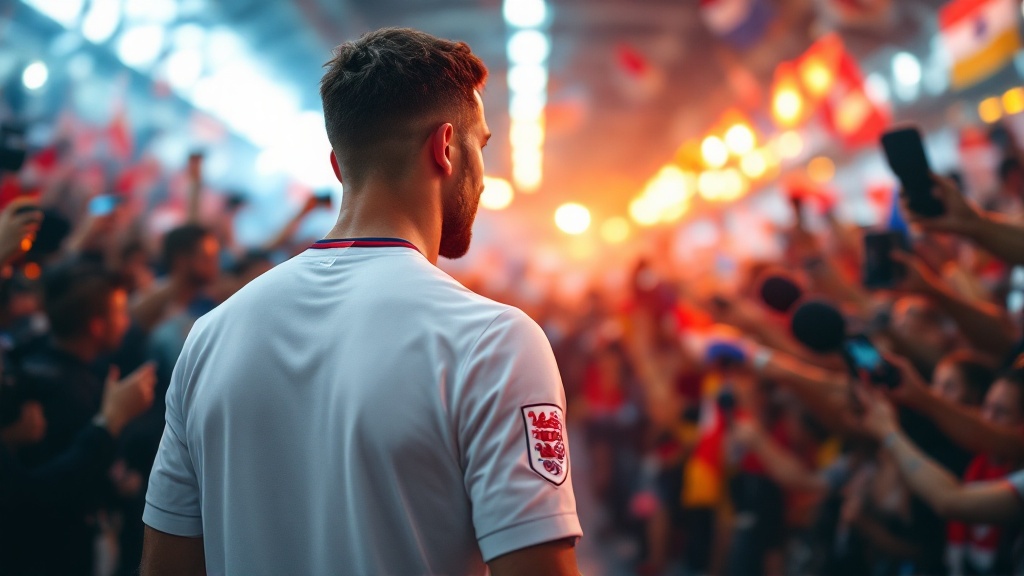
England left the World Cup with a bronze medal in hand and an open wound. They fell to Argentina in the semi-finals, became a target for criticism — and Harry Kane stepped forward to defend Thomas Tuchel.
"He is the one most responsible for us achieving our highest finish at a World Cup in sixty years," said the Bayern Munich striker in the mixed zone, shortly after the victory over France in the third-place match, which ended 6–4.
England's best result at a World Cup since 1966. That alone is history. But the semi-final against Argentina left its mark. Tuchel was heavily criticised for the substitutions he made after England's first goal — bringing on defenders in place of attackers opened the door for Argentina's late comeback.
Kane did not shy away from the subject. He acknowledged that "the fans have every right to be angry" and that Tuchel himself knows that better than anyone. At the same time, he offered some perspective: being one of the best managers in the world does not mean getting every decision right.
He described the pain plainly. "As players, as fans and as a coaching staff, we all genuinely believed this tournament was ours," said the striker, who will turn 33 soon.
Golmetria's model gave England a 7% chance of winning the title before the tournament — and the team went further than most had expected. The market, for its part, had priced England at around an 11% probability of being champions, according to available data.
The World Cup is over. The sixth star remains a dream for Brazil. But England go home knowing they came closer than they had in decades — and with the question that refuses to go away: what if Tuchel had never sat back?