Eleven empty suites, green shirts, and a World Cup that can't fill its own stands
Of the 14 suites available at AT&T Stadium, FIFA sold just three. What happened behind the scenes of the Netherlands–Japan draw in Dallas.
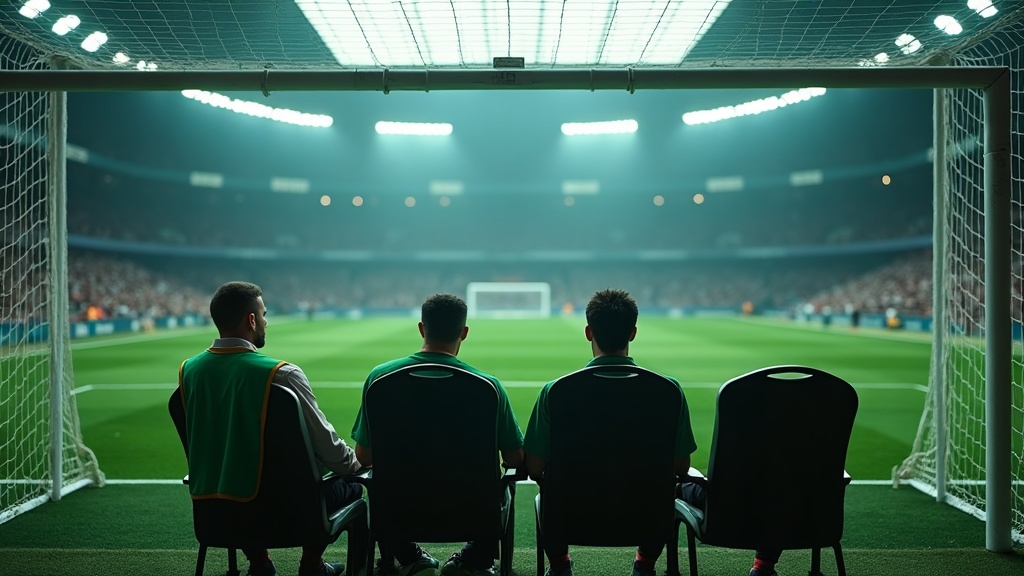
Ten minutes into the match, a group of people in green shirts began filling the suites behind the goal at AT&T Stadium in Dallas. They weren't late-arriving fans — they were World Cup volunteers summoned at short notice to occupy spaces FIFA simply couldn't sell.
According to The Athletic, of the 14 suites available for the Netherlands–Japan clash, only three were sold. The other eleven sat empty until FIFA distributed the tickets as a thank-you to its volunteer workforce — or at least that was the organization's official account, which it backed up hours later by posting a video of the recipients' reactions.
The problem has a structural explanation. AT&T Stadium, home of the NFL's Dallas Cowboys, has suites positioned behind the goals and almost flush with the pitch. To accommodate football, the playing surface was raised by 1.2 metres — which left those spaces sitting at virtually field level. The result: sightlines were blocked by cameras, media personnel, and even the goal net itself. Add a steep price tag, and the package simply didn't sell.
In total, the match drew 69,285 attendees — leaving 1,364 seats empty, the highest number at this World Cup so far. FIFA had expected a sellout: Dallas is a sports-mad city and the fixture was one of the most anticipated of the group stage. The 2–2 draw, for its part, lived up to the billing on the pitch, with a breathless second half.
It isn't the first time the stands have sparked controversy. The South Korea–Czech Republic match in Guadalajara also drew questions on social media about empty seats — though FIFA released an attendance figure close to the stadium's full capacity.
The Golmetria model still sees the Netherlands and Japan as the two most likely teams to advance from Group F — at 86% and 83%, respectively. But off the pitch, the 2026 World Cup faces a harder sum to balance: convincing the world that the stands are genuinely full.